

Before You Buy a King Shepherd
King Shepherds can be playful and lovable as long as they exercise regularly throughout the day. Ask about health assurances, and genetic disorders certifications from reputable breeders before purchasing one. Also meet the parents of the puppies.
They are gentle and friendly with pets and children so long as they are properly socialized from a young age. They are energetic and need access to a large area.
Health
Due to their calm temperaments and impressive physique, king shepherds are excellent companions for families. They're also extremely smart and can easily discern friend from adversaries. They don't typically display violent or frightening behavior unless provoked. Like all breeds, king shepherds must be well-socialized through their puppy years and undergo regular training to ensure their behavior is consistent throughout life.
King shepherds, because of their size, are ideally designed for homes with a single family with outdoor areas fenced. They're not a good fit for apartments, condos or small houses because they require a lot of space to play and exercise. However, the mellow nature of a king shepherd makes them a good fit for many living situations.
While King shepherds are generally healthy, this breed is susceptible to certain health issues. Breeders who are responsible screen their dogs for inherited diseases to prevent passing them to their puppies. King shepherds are still prone to elbow dysplasias and hip dysplasias, degenerative myelopathy and von Willebrand disease.
To minimize these health concerns King shepherds must be fed a high-quality diet rich in protein and low in carbohydrates. To avoid bloating, kings shepherds should also be fed smaller portions. The vet can create a custom-made meal plan for your pet based on your unique needs and lifestyle.
To keep their double coats healthy, King Shepherds should also be groomed on a regular basis. Brush their coats two times a week and bathe your dog when needed. King shepherds shed moderately to heavily and may shed more during seasonal changes.
Although king shepherds are typically respectful, they may be a bit aloof with strangers. They are shrewd and vigilant of their families as they are. They bark to warn you to an intruder or unexpected noise but they're not considered as aggressive dogs.
Training
Since they're bred to protect their owners of their owners, King Shepherds are naturally wary of strangers. They can also become aggressive if they believe their owners are in danger. To prevent this, you should train your dog to respond calmly when confronted by strangers or situations that are unfamiliar to them. It will require a lot of patience and consistency to prevent your dog from becoming a territorial or overprotective dog.
The breed also has a herding instinct which means it could be enticed to chase and move smaller pets around the house. This behavior can be altered through a reward-based approach.
Another key thing to remember is that this breed loves vigorous exercise. To maintain their strong physiques, they need to run or walk for at least one hour every day. The dog will get bored and then take out their energy on your shoes, furniture or anything else they can find.
If you're looking for a King Shepherd puppy, be sure to go to your local shelters. This breed is not as popular as their German Shepherd cousins but they often end up in shelters because of neglect, abandonment, or health issues. Adopting a rescue dog can make a difference in the lives of this breed and improve their health.
This breed is rounded and not as long as its German Shepherd parent. It is a dog with the "teddy-bear" cuteness. They have large triangle-shaped ears that are normally upright and give them a more alert appearance. The coat sheds a lot during the change of seasons. They should be brushed frequently to keep the shed under control.
It's important to remember that the King Shepherd is a relatively new breed. Although it was developed to resolve some issues with German Shepherds, it is not a perfect breed. It may not be as healthy as other breeds. This can increase the risk of developing certain illnesses and diseases such as hip dysplasia or swelling. To avoid these issues you must work with a dog trainer who can teach your dog basic obedience and socialization as early as possible.
Exercise
Like any dog like any other dog, as well, a King Shepherd needs lots of exercise to remain happy and healthy. They are a riot of energy and enjoy running, jumping and play. If they're not given enough exercise every day, they could quickly get bored and seek other ways to burn off their energy for example, chewing shoes or kicking things off tables and shelves.
Training for obedience and exercise are great methods to keep the energy of your King Shepherd in the right place. This breed is easy to train and they pick up commands quickly due to their intelligence. You can teach them basic commands like "sit," "fetch," or "stay," along with more advanced commands. It is crucial to begin training your dog from a young age and positive reinforcement is the best method.
Exercise can also help prevent health issues like hip dysplasia or bloat. These problems are more common in King Shepherds because they are hybrids and possess an attribute vets refer to as hybrid vigor. It's crucial to control their diet, as they may gain weight if they aren't given enough exercise or if overfed.
When selecting a diet for your King Shepherd, look for foods that are high in fiber, low in fat and have a lot of protein. Avoid foods that contain corn, wheat or soy, as well as animal byproducts since they are cheap sources of calories and can contribute to weight gain.
A King Shepherd is an enormous dog, and will need to be trained before joining your home. You should make sure your home is puppy-proofed and keep toxic chemicals and food away from reach. Additionally, you'll need to purchase a long leash and collar, as these dogs can be a bit reckless and will often attempt to escape. Last but not least, make sure you take your new King Shepherd to his first health check-up and vaccinations. This will ensure that he is healthy and ready to join your family.
You can also read about how to take care of yourself.
King Shepherds, as their German Shepherd counterparts are loyal, secure dogs that can be used to protect yourself. They are loyal to their owners and bark at anyone who attempts to enter your home or comes near. These giant dogs are not aggressive, despite their intimidating appearances. deutscher schäferhund kaufen schweiz can often be enough to deter potential intruders. King Shepherds are also excellent family pets, as they tend to be peaceful around children as well as other animals. It's best to introduce children King Shepherds slowly to ensure they can understand how to play without harming the dog.
Because of their strong pack instincts, it's important for King Shepherd owners to establish themselves as the leader of the pack and establish boundaries. This includes introducing your new pet to other dogs as well as other household animals (such as cats) as early as is possible to ensure that they are accustomed to their presence right from the start. This can prevent aggression or fearfulness later on in life.
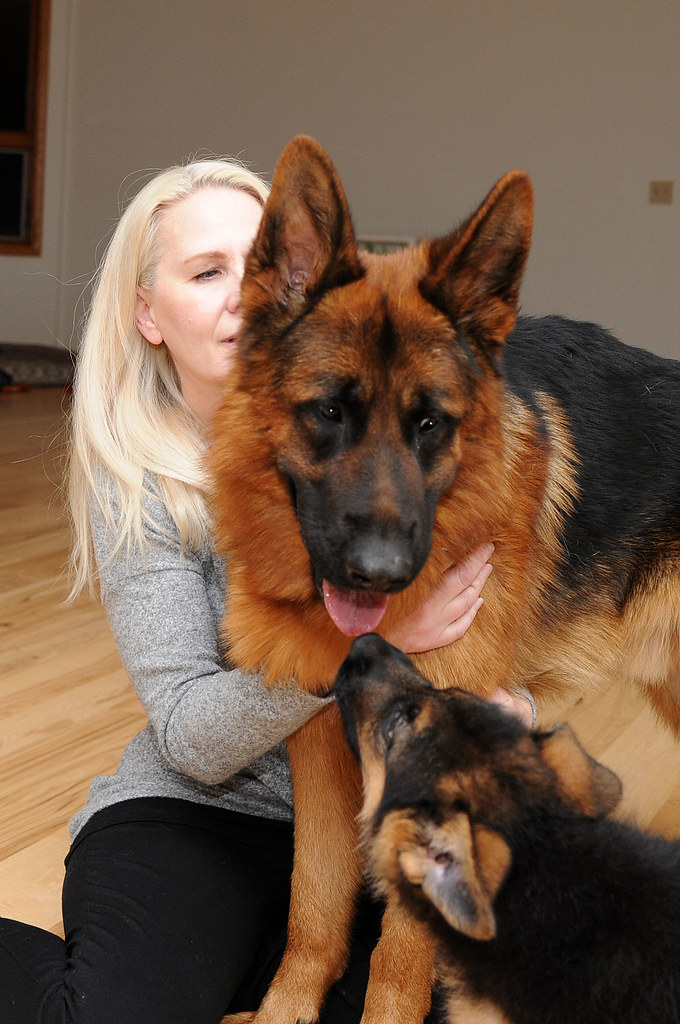
King Shepherds require exercise too. You can expect to spend at least an hour every day working out your dog, be it a brisk walk in the neighborhood or playing a few games of fetch. They also enjoy canine sports like agility training and obedience. Because they're so intelligent, this type of activity gives them a good mental workout as well and prevents them from becoming bored or destructive.
Like all large breeds they are susceptible to certain health issues. Ask your veterinarian about health issues are common to this breed. Also, inquire about the routine health checks that you must conduct on your new pet.
Spaying or neutering your pet is also essential to lower the risk of territorial or aggressive behavior in the future, as well as to avoid unwanted litters. You can inquire about this service. Most animal shelters and breeders offer this service for a reasonable cost.